 Empowering Survivors. Creating Livelihoods. Revitalizing Rural Communities.
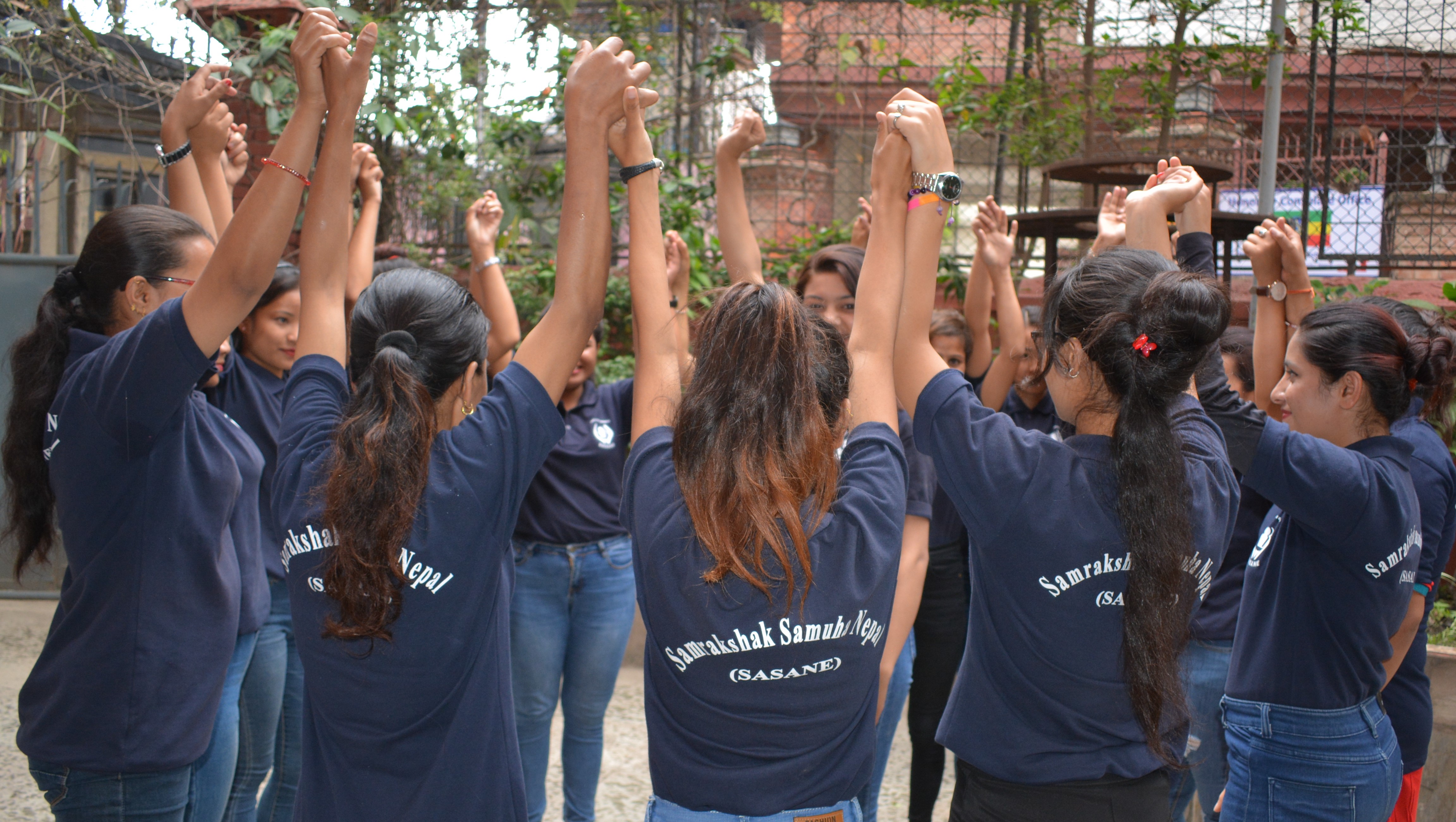
The Sisterhood of Survivors (SOS) Program is a survivor-led social and economic empowerment initiative of Samrakshak Samuha Nepal (SASANE). It brings together women who have survived human trafficking, exploitation, and gender-based violence and supports them to rebuild their lives with dignity through sustainable employment and community leadership.
SOS goes beyond healing by creating livelihood opportunities, restoring confidence, and enabling survivors to become economic contributors and change-makers in rural Nepal.
How SOS Creates Employment for Survivors
Skills Development
Survivors receive practical training in hospitality and community-based tourism, traditional cooking and local food enterprises, homestay management, handicrafts, agriculture, and financial literacy—preparing them for income-generating work in rural settings.
Survivor-Led Enterprises
SOS supports survivors to establish and manage community homestays, eco-lodges, local food and catering services, handicraft initiatives, and ethical tourism activities, ensuring regular income and long-term independence.
Ethical Tourism Pathways
Linked with SASANE’s ethical tourism model, survivors work as homestay hosts, guides, cultural facilitators, cooks, and artisans, with tourism income reinvested into families and villages.
How SOS Rebuilds Rural Communities
- Creates local jobs, reducing unsafe migration and trafficking risks
- Strengthens village economies and local markets
- Promotes women’s leadership and social inclusion
- Revives traditional foods, crafts, and cultural heritage
Through SOS, survivors become economic anchors and respected leaders, helping rural communities grow stronger, safer, and more resilient.
Woman Empower
Many female survivors of trafficking in Nepal remain without citizenship despite constitutional provisions, leaving them excluded from justice, health care, and essential government services. This survivor-led initiative advocates for fair, gender-equal implementation of citizenship laws to ensure survivors can access legal identity, basic services, and live with dignity.
Reaching Communities. Preventing Trafficking. Strengthening Protection.
The Community Outreach Program of Samrakshak Samuha Nepal (SASANE) is a grassroots prevention and empowerment initiative that works directly with high-risk and marginalized communities to address the root causes of human trafficking, gender-based violence, and unsafe migration.
The program focuses on awareness, early intervention, and community leadership, ensuring that people have the knowledge and support needed to protect themselves and others.
Trained SASANE survivor-leaders and paralegals play a key role in outreach activities. Their lived experience builds trust, breaks stigma, and makes prevention messages more effective and relatable.
Building Stronger Communities
The Community Outreach Program helps communities to:
- Recognize trafficking risks early
- Support survivors with dignity and inclusion
- Strengthen local protection networks
- Promote women’s leadership and social cohesion
School Awareness Program
The School Awareness Program of Samrakshak Samuha Nepal (SASANE) is a prevention-focused initiative designed to educate school students—especially girls—in vulnerable and rural communities about human trafficking, gender-based violence, child rights, and legal protection.
The program aims to empower young people with knowledge, confidence, and critical thinking skills so they can protect themselves, support their peers, and challenge harmful social norms.
In many rural areas of Nepal, girls face barriers to education due to cultural traditions, financial hardship, and patriarchal norms, leaving them vulnerable to verbal abuse, gender discrimination, and human trafficking. Many are unaware of laws protecting them against exploitation.
The School Awareness Program engages SASANE beneficiaries as facilitators in government schools, reaching over a thousand students to raise awareness about sexual exploitation, trafficking, and gender equality. By sharing real-life experiences and knowledge, beneficiaries become strong advocates, helping students understand the risks of trafficking, relevant legal protections, and ways to seek help.
The program also highlights the role of duty-bearers, government agencies, and support services such as helplines and local authorities, empowering students with knowledge to protect themselves and their peers.
Turning Survivors into Champions of Justice
Continue reading “Paralegal Service”


