Survivor Collective Action for Justice Reform in Nepal
When trafficking and sexual exploitation cases are misclassified at the First Information Report (FIR) stage, the consequences can follow survivors throughout the justice process, affecting prosecution, sentencing and access to compensation.
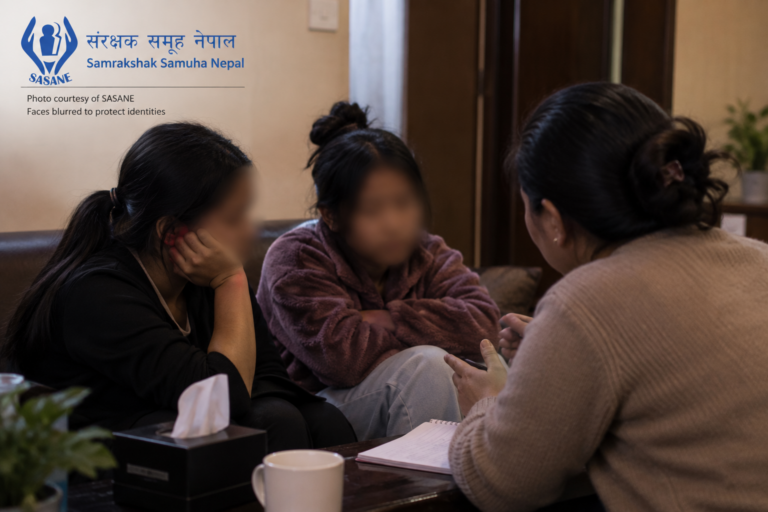
This 8-month survivor-led initiative brings together 10 women who have directly experienced police and court proceedings to turn their individual experiences into collective evidence and demands for justice reform.
Through Survivor Justice Assemblies, survivors will document patterns of misclassification and define their own reform priorities. Three survivor representatives, supported by survivor paralegals and feminist lawyers, will take these demands directly to police, government institutions, the National Women’s Commission, legal actors and the media through a national accountability dialogue and follow-up advocacy.
The project seeks to improve the accuracy and consistency of trafficking case classification while positioning survivors not simply as subjects of the justice system, but as leaders shaping how justice is defined and delivered in Nepal.
The Change We Seek
The project seeks change beyond individual cases.
In the short term, it will transform isolated experiences of injustice into collective evidence, collective leadership and a survivor-defined reform agenda.
In the longer term, SASANE seeks to contribute to:
- More accurate and consistent classification of trafficking and sexual exploitation cases from the FIR stage;
- Fairer sentencing and stronger access to compensation;
- Greater accountability within police and justice institutions; and
- Meaningful recognition of survivors as agenda-setters in legal and policy reform—not merely beneficiaries or witnesses within the justice system.
From Case Subjects to Justice Reform Leaders
At its core, When Exploitation Is Misclassified is about shifting power.
Women who have experienced exploitation and navigated the justice system firsthand hold knowledge that institutions need to hear. This project creates the collective space, evidence and public platform for that knowledge to influence how justice is understood and delivered in Nepal.
Gallery
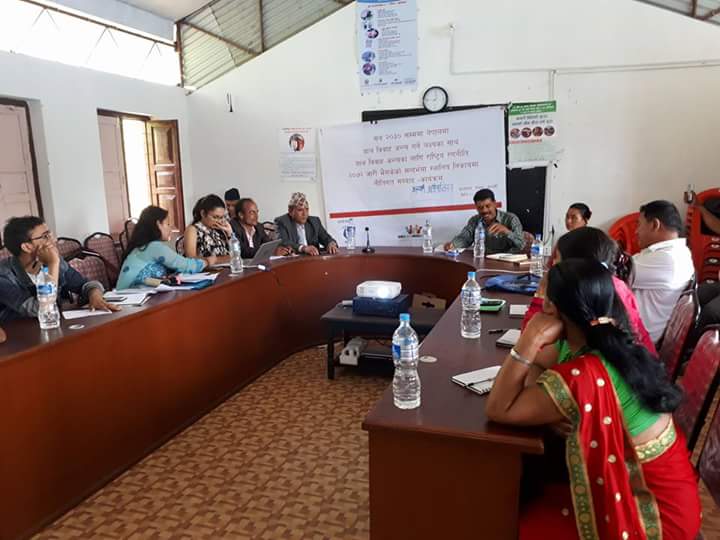
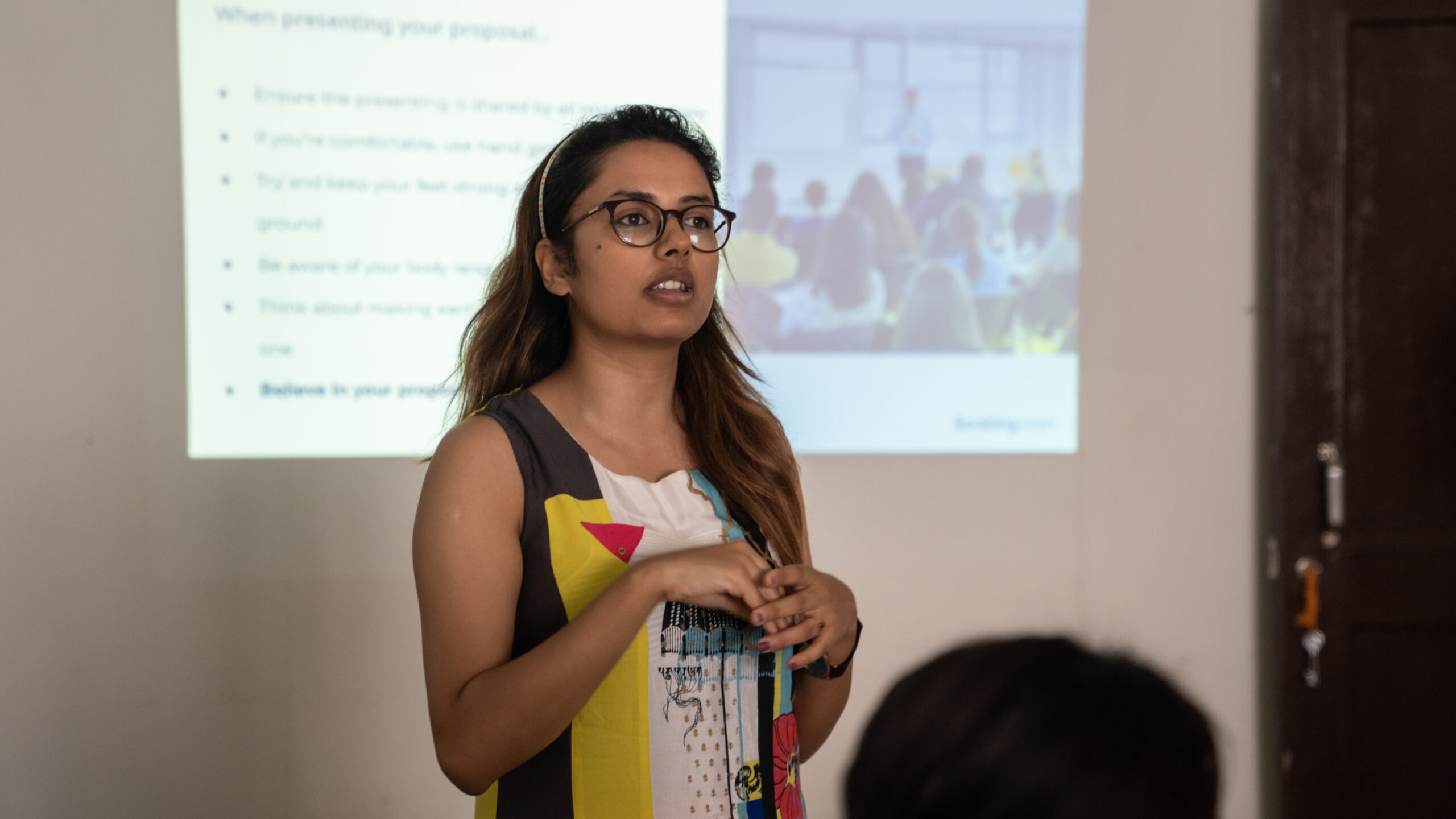

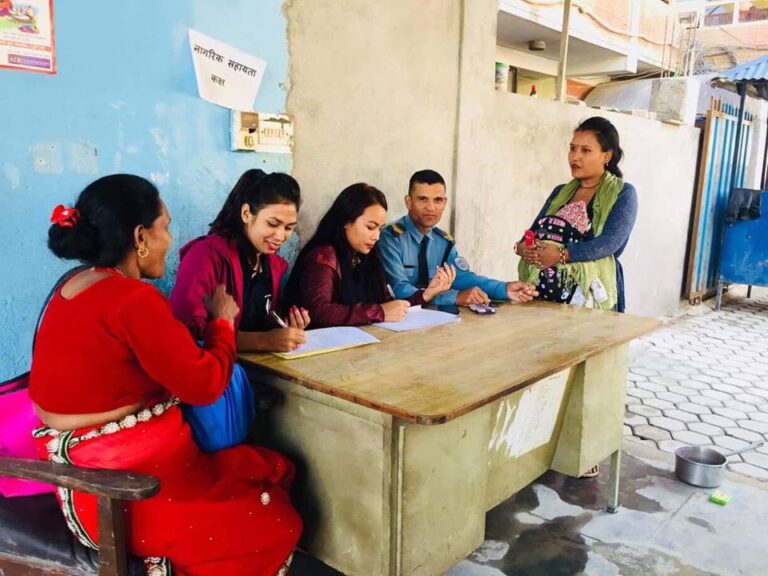
SASANE girls help general people save Rs. 4000 each day
by writing the application and complaint for free.


Address: